
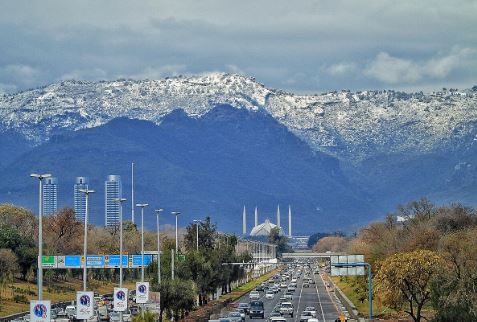
Islamabad Set for Historic Overhaul: New Governance Model Proposes Elected Assembly and Chief Executive
A high-level committee has finalized a sweeping proposal to transform Islamabad into Pakistan’s first distinct administrative unit. The draft, which has been officially presented to Prime Minister Shehbaz Sharif, outlines a modern governance model designed to decentralize power and give the federal capital its own elected assembly and chief executive.
The Constitutional Reality Behind Pakistans Renewed ;New Provinces; Debate
A Dedicated Legislative Body
Under the proposed framework, Islamabad will elect a 27-member assembly. To ensure localized democratic representation, 21 members will be elected directly by the public. Furthermore, the draft guarantees inclusivity by reserving five seats for women and one for minority communities.
Decentralizing Power: Mayor or Chief Minister?
Moving away from the current fragmented administrative setup, the capital will be headed by an elected Chief Executive—a role that may be titled either Chief Minister or Mayor. This executive will be directly accountable to the newly formed assembly, ensuring that the city’s administration remains answerable to its residents.
PCB to Build Cricket Stadium in Saudi Arabia; Jeddah Set to Host Future PSL Matches
The new local government will assume control of 27 administrative departments, taking charge of vital civic domains such as health, education, environmental protection, and municipal services.
What Stays with the Federal Government?
While civic administration will be devolved to the elected body, the federal government will retain absolute control over highly sensitive areas. Law and order, along with the master planning of Islamabad, will remain strictly under federal jurisdiction.
US Federal Court Strikes Down Immigrant Visa Processing Ban for Pakistan, 74 Nations
Key Takeaways from the Proposed Draft:
-
Elected Assembly: A 27-member legislative body (21 general, 5 women, 1 minority).
-
Executive Authority: An elected Chief Executive accountable to the assembly.
-
Civic Devolution: 27 departments, including health and education, transferred to the local government.
-
Federal Control: Security, law and order, and master planning remain with the center.
-
Institutional Restructuring: Overhauling the Capital Development Authority (CDA) and unifying fragmented civic bodies under one umbrella.
The special committee that drafted this extensive legal and administrative framework included prominent federal ministers such as Mohsin Naqvi, Ahsan Iqbal, and Musadik Malik, alongside PM’s adviser Rana Sanaullah. High-ranking bureaucrats, including the Secretaries of Interior, Cabinet, Finance, Education, and Health, as well as the Commissioner Islamabad and Chairman CDA, also shaped the proposal. The final approval now rests with the Prime Minister.
Global Diplomacy: Pakistan Assumes Presidency of UN Conference on Disarmament