September 6, 2026 · 2 min read
The Constitutional Reality Behind Pakistan’s Renewed ‘New Provinces’ Debate
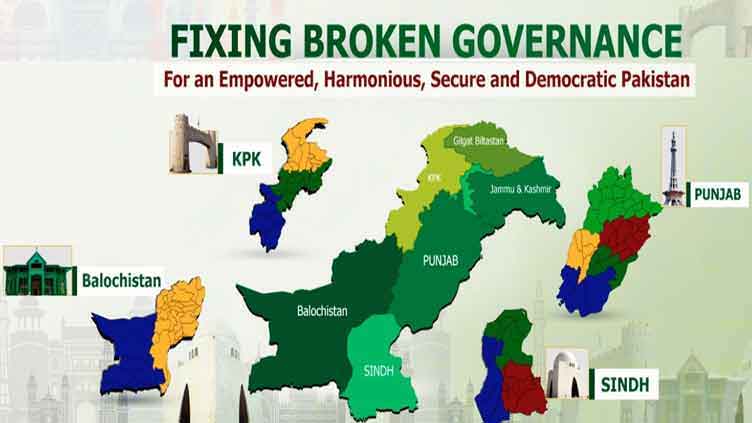
A massive social media campaign demanding the creation of new provinces in Pakistan has ignited a fierce political debate, but constitutional realities make the process far more complex than digital slogans suggest.
The debate over administrative division in Pakistan has resurfaced with intensity, driven by digital campaigns such as #WeNeedProvinces trending heavily across social media platforms. The online mobilization has prompted direct responses from the country’s political elite, bringing a long-standing structural issue back into the national news cycle.
Interior Minister Mohsin Naqvi recently weighed in, stating that the decision to create new provinces ultimately rests with the people and their elected representatives. Meanwhile, opposition leaders have sharply criticized Punjab Chief Minister Maryam Nawaz over her recent rhetoric regarding political challenges originating from neighboring provinces, framing the current provincial borders as a source of political friction.
However, moving from digital demands to legal reality requires navigating Article 239 of the Constitution. Creating a new province requires a two-thirds majority in both the National Assembly and the Senate, followed by a two-thirds majority in the respective provincial assembly whose boundaries are being altered. Given the current fragmented political landscape, achieving this consensus remains a monumental legislative hurdle, suggesting the current trend is more about political posturing and resource grievances than immediate constitutional amendments.
Post Views: 77